
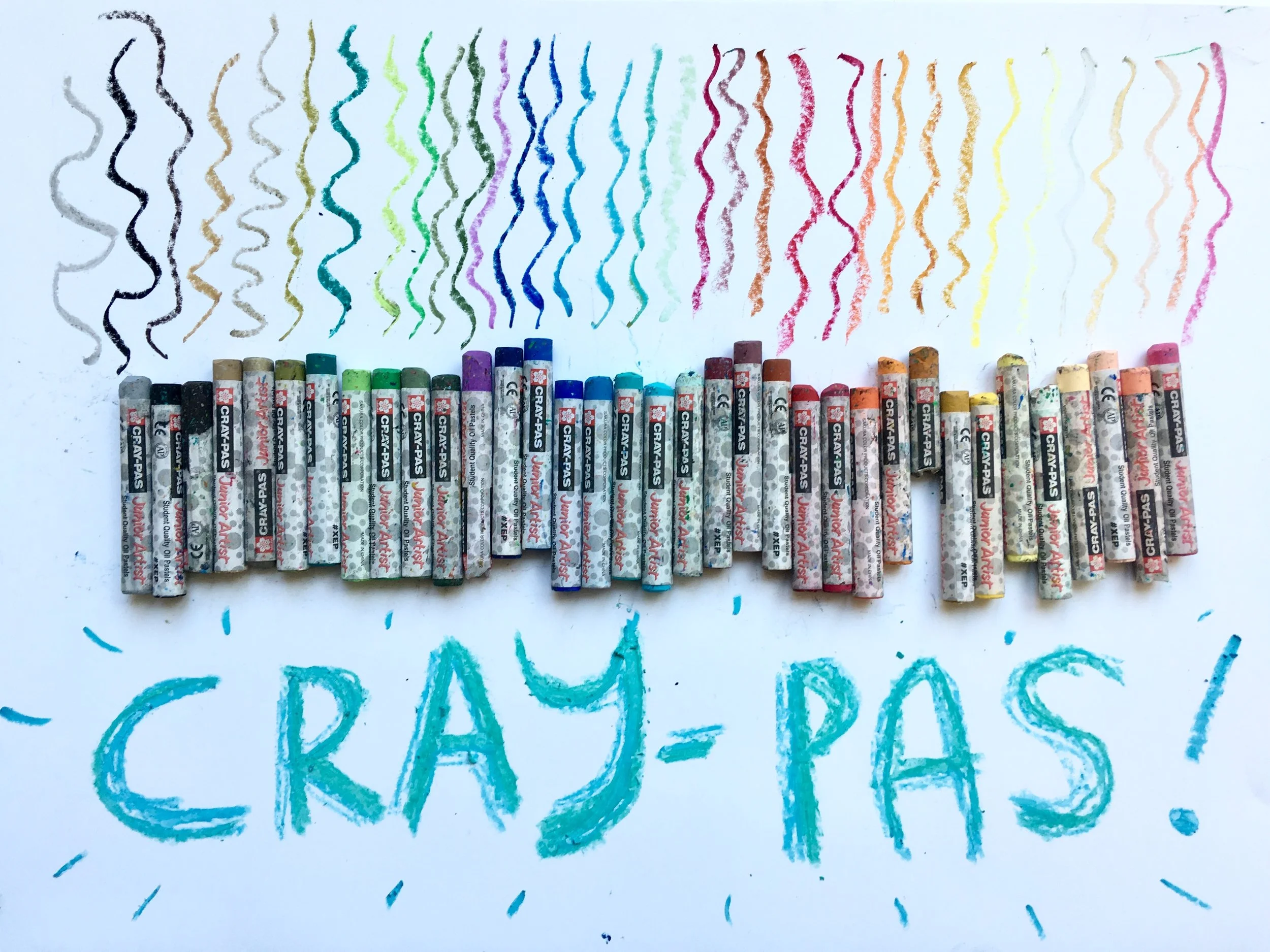
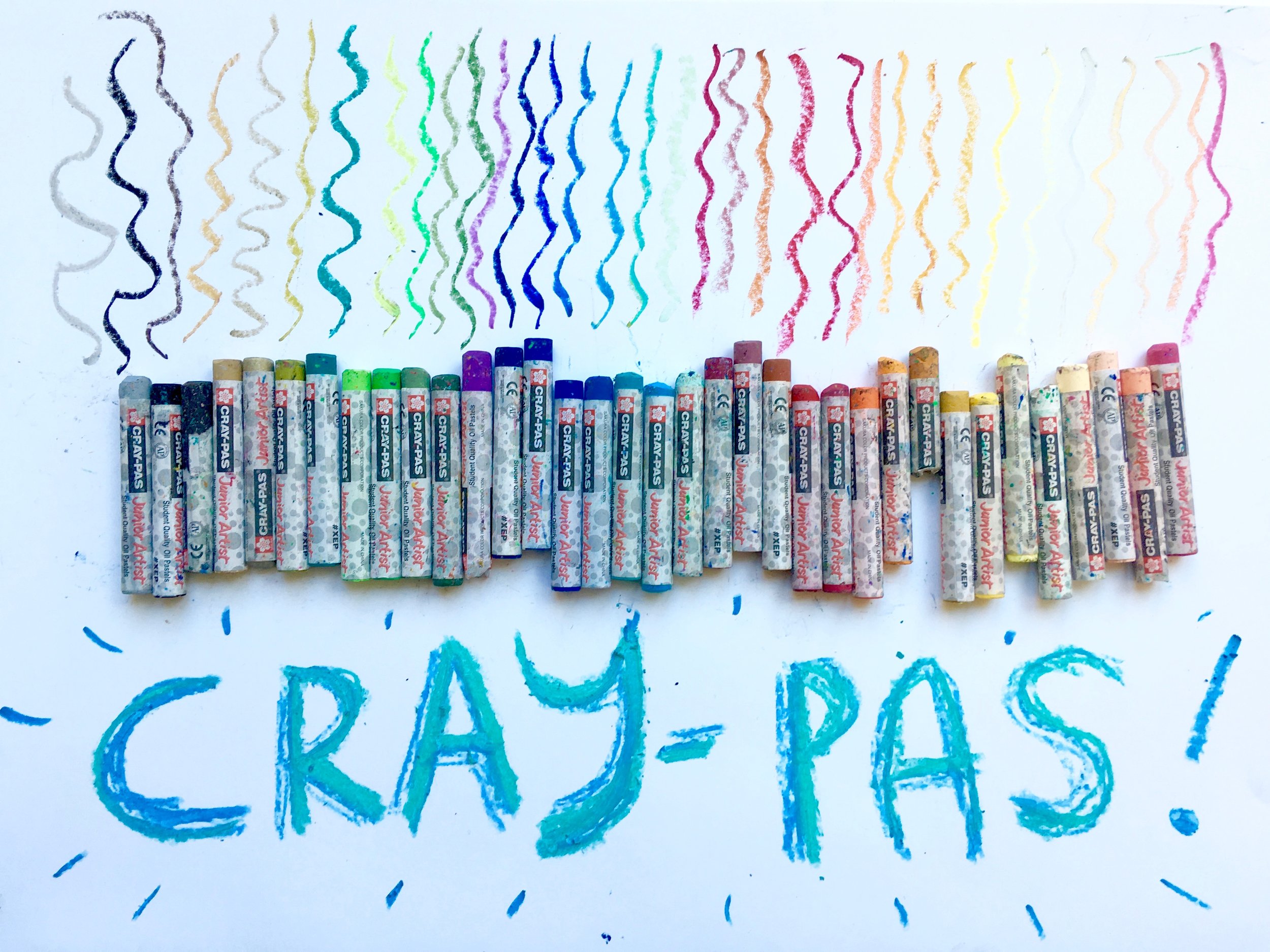
Cray-Pas Oil Pastels
The first time I picked up an oil pastel was in the fourth grade, when I fell head-over-heels in love with the notoriously shorty of Post-Impressionist fame, Henri de Toulouse-Lautrec. If I recall, it all started with an assignment to create a class report on a famous artist that I took far too seriously. When the project was assigned, there was no doubt in my mind that I would report on Toulouse-Lautrec. Just the weekend before my grandma and I had visited the Norton Simon Museum in Pasadena, where I became hypnotized by the artist's boisterous cabaret ladies drawn fanatically in day-glo colors I never knew we were allowed to use. That a lady's face could be colored absinthe green and her legs neon purple simply blew my mind.

Seated Dancer in the Pink Tights, Henri de Toulouse-Lautrec, 1890.
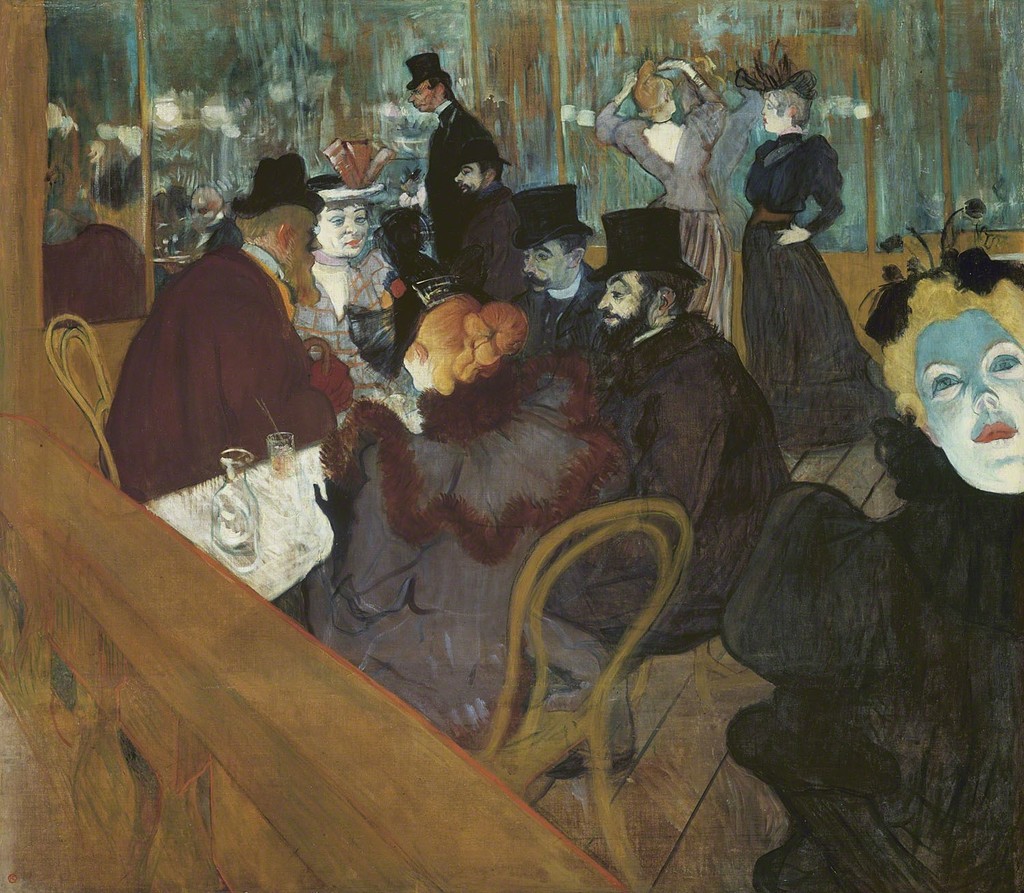
At the Moulin Rouge, Henri de Toulouse-Lautrec, 1895.
I came away from the museum knowing two things:
1. Henri de Toulouse-Lautrec was my new favorite artist of all time.
2. Oil pastels, Toulouse-Lautrec's art material of choice, were the coolest thing ever.
Fast-forward thirteen years later, and I still feel the same way. If you ask me, oil pastels, specifically Sakura of America's Cray-Pas Junior Artist Oil Pastels, are an essential in any art class or creative home. Why, you ask? Well if Toulouse-Lautrec's paintings aren't proof enough, get this: oil pastels are so incredibly waxy and smooth that when you drag a stick across the page it feels like drawing with butter. It's insanely satisfying!
Also, Cray-Pas are filled to the brim with delicious pigment, and are exceedingly more rich and vibrant than your run-of-the-mill oil pastels. The smooth quality of the sticks allows Cray-Pas colors to be super easy to mix and blend. There's many different styles and techniques for drawing and blending, and it's fun to experiment with oil pastels to see what works.
Some helpful tips and tricks for using Cray-Pas oil pastels that I've learned over the years:
1. Mixing colors with your fingers (like you easily can with chalk pastels) is fun, but pretty messy. Try using a palette knife to mix, or experiment with the amount of pressure you use when you press down your pastel.
2. Experiment with different drawing surfaces. Grey and dark beige heavy weight paper amplify the vibrance of the pastels. Pastels also look ultra-cool on cardboard!
3. There are many different stroke methods you can use to create interesting effects with oil pastels. You can layer colors to create unique color combinations, or try sgraffito, a method of scratching lines through thick layers of colors to reveal the color underneath.
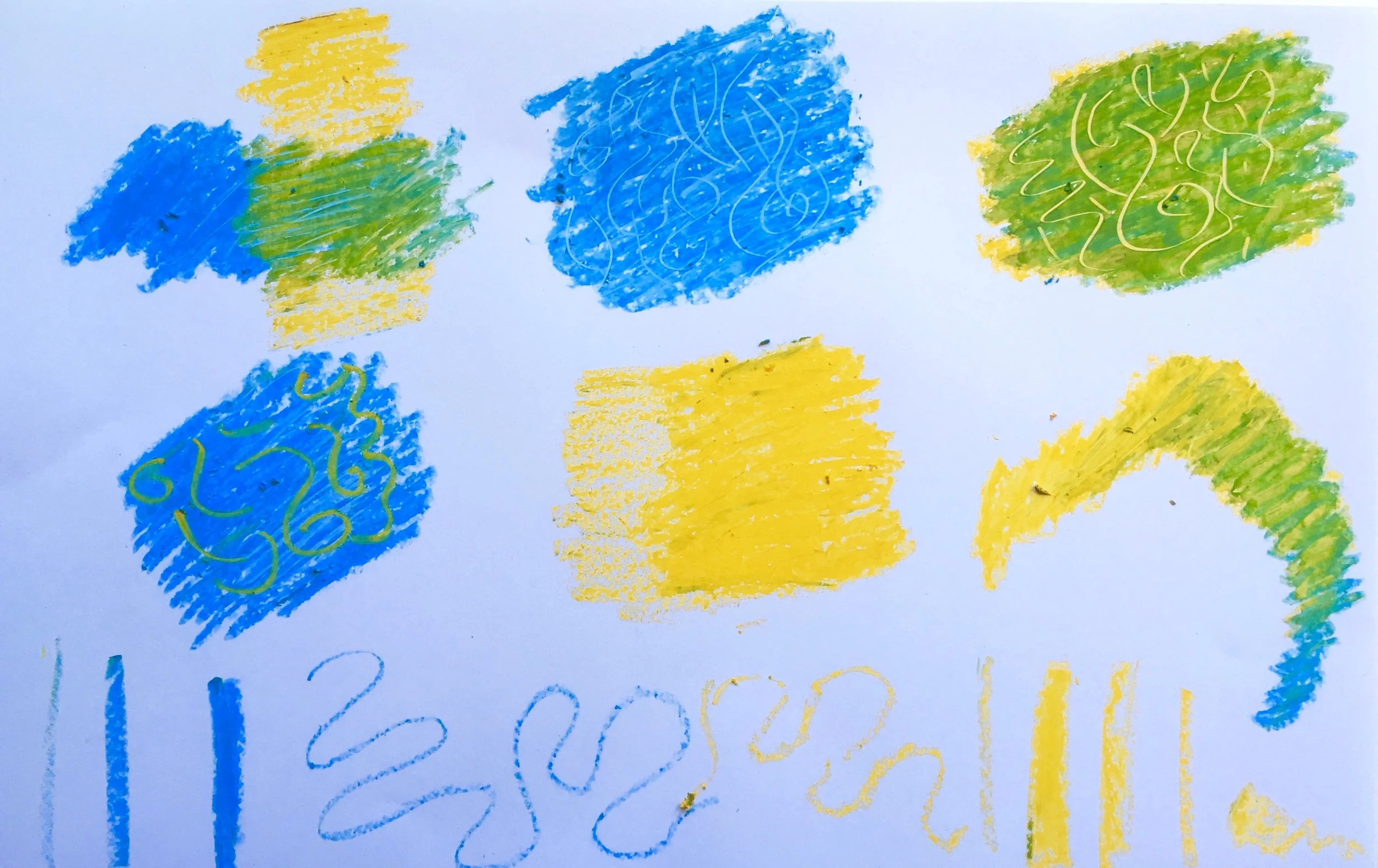
You can also try stippling, a method where you use short, quick strokes or dots of color to create an optical effect when seen from far away, as in Georges Seurat's Pointillism paintings. To create a soft, defused effect like Claude Monet, try scumbling by creating controlled scribbled marks.

Close-Up of Circus Slideshow, George Seurat, 1888

Impression, Sunrise, Claude Monet, 1872
4. For inspiration, make sure to check out Toulouse-Lautrec's gorgeous oil pastel sketches of everyday life.

Henri Toulouse-Lautrec

Henri Toulouse-Lautrec

We're so excited to have Sakura sponsor Issue #4 of Illustoria, which is on shelves and available now. We hope you enjoy our Cray-Pas oil pastel tips, now get out there and start sketching!
Made By You: Call for Submissions!
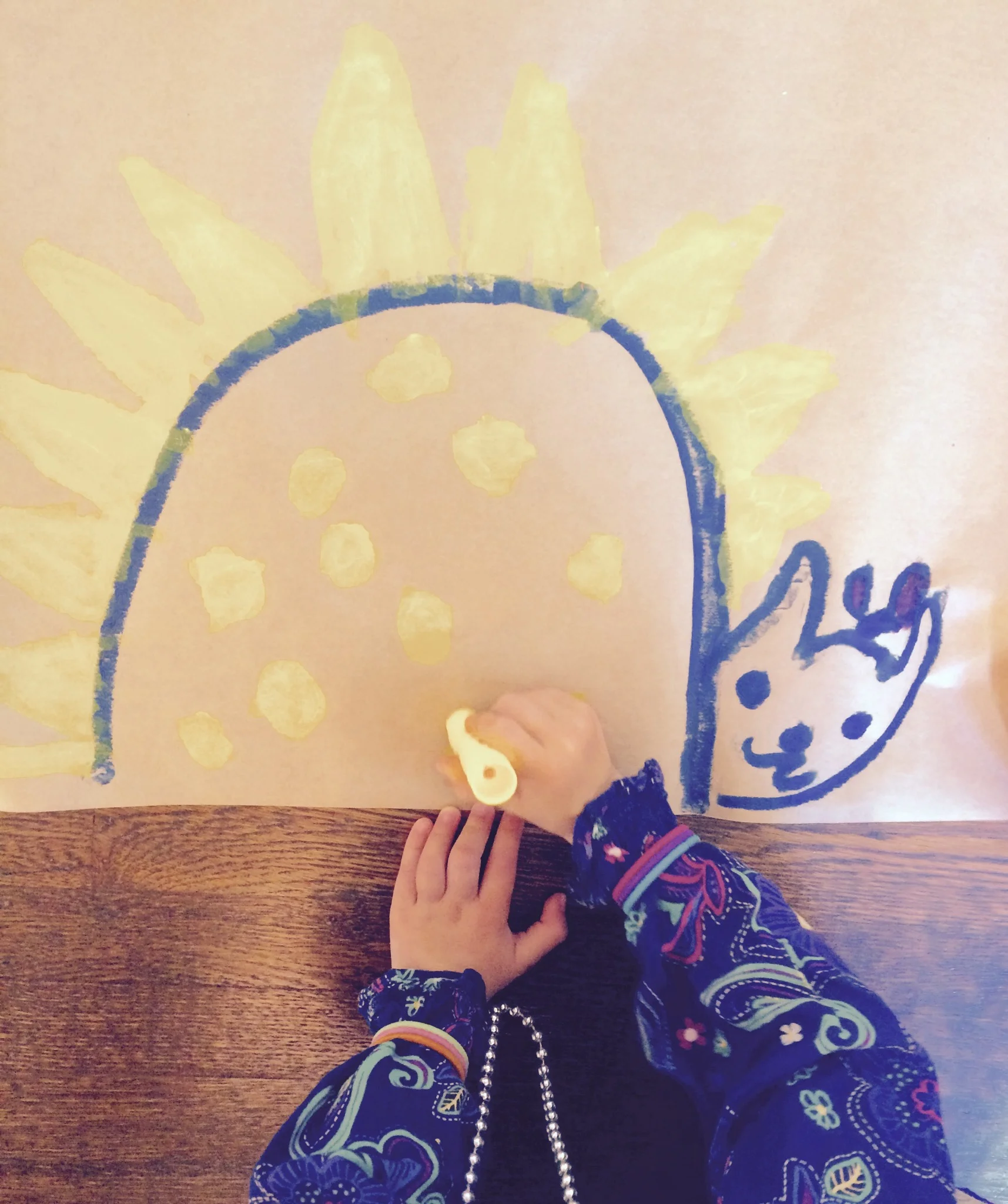
Stella, age 5. "A made-up animal" with polka dots and a bow on its head.
We at ILLUSTORIA love kid-art! And we're pretty sure that chances are you do too. There's nothing like the pure joy, fantastical imaginations and uninhibited creativity found in kids. As the master painter Picasso once said, "It took me four years to paint like Raphael, but a lifetime to paint like a child." Ahh, to think and create like a child again!
Our MADE BY YOU gallery page showcases kids' artwork in the form of drawings, collages, comics, paintings, pencil sketches, calligraphy, poetry, crafts...you name it! As grownups to creative kids, everyday we find inspiration in the beauty, silliness, simplicity, complexity, irreverence and unfiltered aliveness of the creative expression of kids. Here is a place to show off those images and to share a bit of the love and fun.
We welcome you to contribute to this shared gallery space for a collective, daily dose of joy and inspiration. What are your creative kids up to? What's on their minds and being made with their hands today? We would be thrilled to see. Please send contributions to madebyme@illustoria.com and we'll share them here...or for a chance to see it in our print magazine.